
BARCELONA´S UNESCO WORLD HERITAGE SITES
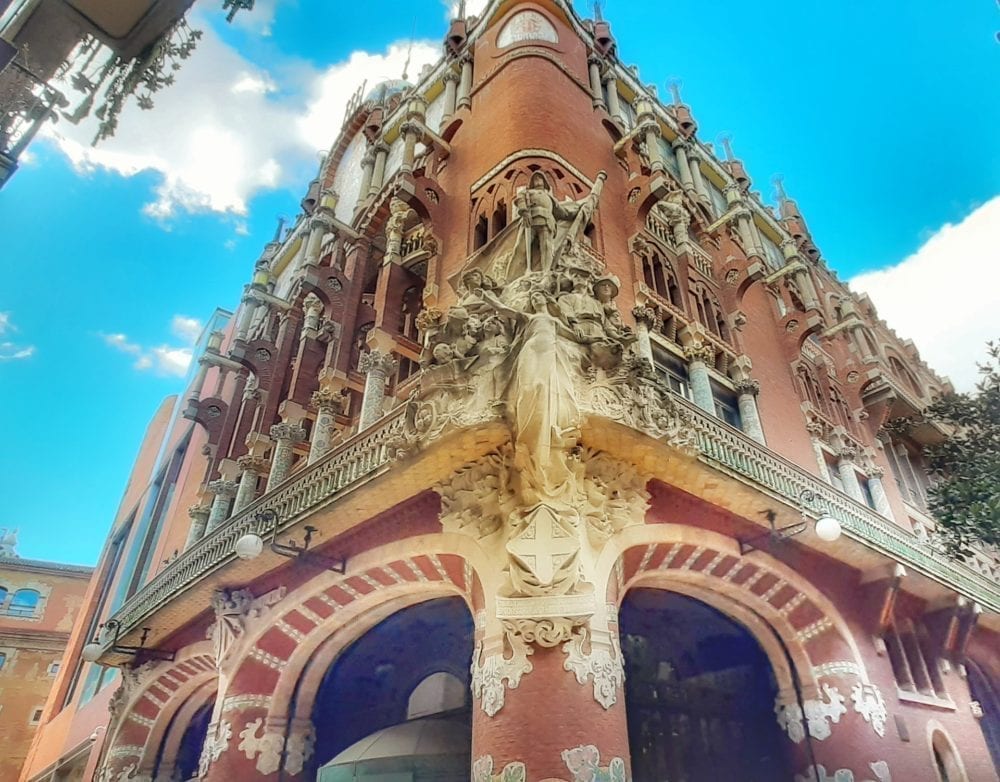
UNESCO sites in Barcelona
Barcelona is one of the most fascinating cultural destinations in Europe, a city where history, art, and architecture come together in a truly unique way. Beyond its beaches, gastronomy, and vibrant lifestyle, Barcelona is home to an extraordinary collection of UNESCO World Heritage Sites, making it a must-visit destination for travelers interested in cultural tourism and architecture.
Exploring these masterpieces with official licensed guides allows visitors to fully understand their historical, artistic, and symbolic value. Join us as we delve into Barcelona’s UNESCO World Heritage Sites and discover why guided visits offer an unforgettable experience.
How Many UNESCO World Heritage Sites Are There in Barcelona?
Barcelona boasts nine UNESCO World Heritage Sites, all of them masterpieces of Catalan Modernism designed by the visionary architect Antoni Gaudí. These buildings are recognized not only for their beauty, but also for their groundbreaking architectural techniques and deep symbolic meaning.
Seven of these sites are located within the city of Barcelona, while two are nearby. Together, they form one of the most impressive UNESCO collections in any European city.
The Genius of Antoni Gaudí and Modernisme
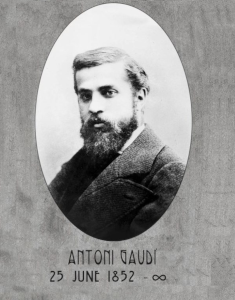
Antoni Gaudí is the central figure behind Barcelona’s UNESCO heritage. His work revolutionized architecture through the use of organic shapes, innovative structures, and rich symbolism inspired by nature, religion, and Catalan identity.
Visiting Gaudí’s buildings with an official guide in Barcelona provides crucial insight into:
-
The symbolism hidden in façades and interiors
-
The architectural innovations ahead of their time
-
The historical context of Modernisme in late 19th- and early 20th-century Catalonia
1. Sagrada Família – Gaudí’s Sacred Masterpiece
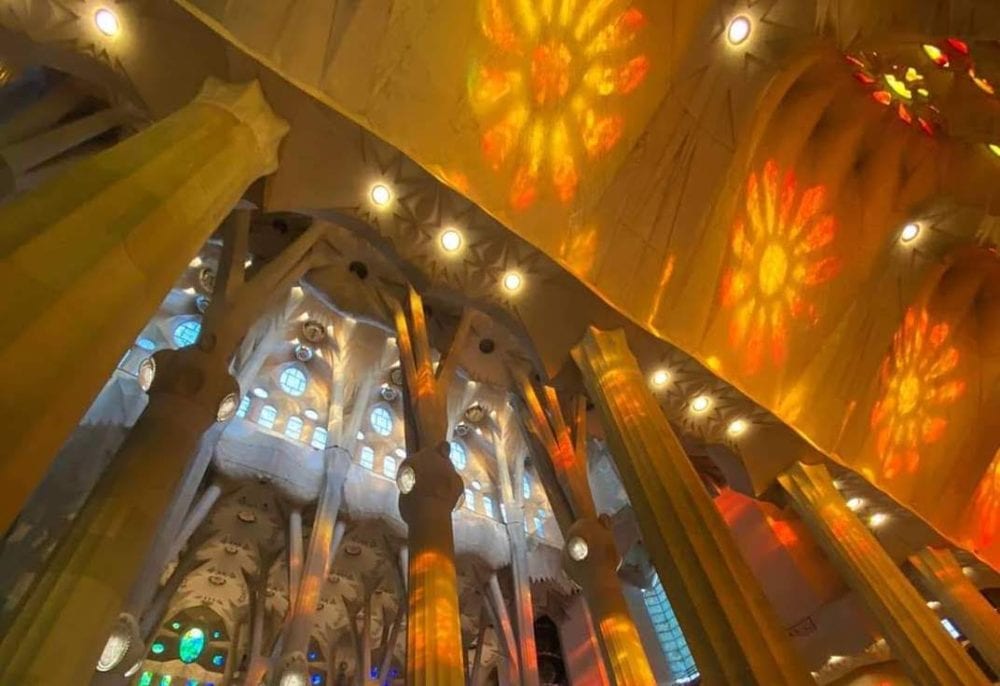
The Basilica of the Sagrada Família is Barcelona’s most iconic monument and one of the most visited landmarks in Europe. Still under construction more than a century after Gaudí began the project, it represents the pinnacle of his artistic vision.
Declared a UNESCO World Heritage Site for its Nativity Façade and Crypt, the basilica astonishes visitors with:
-
Its towering columns inspired by trees
-
Spectacular stained-glass windows
-
Deep Christian symbolism embedded in every detail
A guided tour allows visitors to understand Gaudí’s spiritual vision and the extraordinary engineering behind this architectural marvel.
2. Park Güell – Nature and Architecture in Harmony
Park Güell is a colorful, dream-like public park that blends architecture and nature seamlessly. Originally designed as a residential project, it became one of the most imaginative urban spaces in the world.

Highlights include:
-
The famous mosaic dragon (El Drac)
-
The Hypostyle Room with Doric columns
-
Panoramic views over Barcelona
With an official guide, visitors discover the park’s symbolism, Gaudí’s urban vision, and the original purpose behind its whimsical design.
3. Palau Güell – Gaudí’s First Major Commission
Located in the historic Raval district, Palau Güell was one of Gaudí’s earliest major commissions. Built as a private residence for industrialist Eusebi Güell, it showcases Gaudí’s innovative use of space and light.
Inside, visitors admire:
-
Parabolic arches and dramatic interiors
-
The impressive central hall
-
Colorful rooftop chimneys
Guided visits reveal how this palace laid the foundations for Gaudí’s later masterpieces.
4. Casa Batlló – The House of the Dragon
Often described as a living organism, Casa Batlló is one of the most imaginative buildings in Barcelona. Its façade resembles waves and bones, while its interior flows organically from room to room.
A UNESCO World Heritage Site due to its exceptional creativity, Casa Batlló stands out for:
-
Its marine-inspired design
-
The dragon-like roof
-
Innovative ventilation and lighting systems
5. Casa Milà (La Pedrera) – A Revolutionary Building
Casa Milà, also known as La Pedrera, is another revolutionary work by Gaudí. Its undulating stone façade and sculptural rooftop challenged architectural norms of its time.
During a guided tour, visitors learn about:
-
The self-supporting stone structure
-
The iconic warrior-like chimneys
-
Gaudí’s sustainable design concepts
Today, Casa Milà remains a symbol of architectural freedom and innovation.
6. Casa Vicens – The Birth of a Genius
Casa Vicens is Gaudí’s first major work and a key piece in understanding his artistic evolution. This colorful house combines Moorish, Oriental, and natural influences.
Declared a UNESCO World Heritage Site for its originality, it introduces:
-
Decorative ceramic tiles
-
Strong geometric patterns
-
Nature-inspired motifs
A guided visit places this early masterpiece in its historical and artistic context.
7. Crypt of the Colònia Güell – Gaudí’s Architectural Laboratory
Located just outside Barcelona, in Santa Coloma de Cervelló, the Crypt of the Colònia Güell is one of Gaudí’s most experimental works.
Here, he tested structural solutions later applied to the Sagrada Família. The crypt blends seamlessly with its surroundings and represents a key moment in architectural history.
🔹 Expert guides explain why this lesser-known site is essential to understanding Gaudí.
8. Palau de la Música Catalana – A Temple of Music
Designed by Lluís Domènech i Montaner, the Palau de la Música Catalana is a jewel of Catalan Modernisme.
Its interior is a breathtaking explosion of color, light, and sculpture, crowned by a stunning stained-glass skylight. It remains one of Europe’s most important concert halls.
🔹 Guided tours reveal the symbolism behind every decorative detail.
9. Hospital de Sant Pau – Modernism with a Human Purpose
Also designed by Domènech i Montaner, the Hospital de Sant Pau is the largest Modernist complex in Europe.
More than a hospital, it was conceived as a healing city, where architecture, nature, and health worked together. Today, it stands as a cultural and architectural landmark.
🔹 A guided visit explains how design improved patient well-being long before modern healthcare concepts.

Discover Barcelona’s World Heritage with Expert Guides
Visiting UNESCO World Heritage Sites with official licensed guides offers a deeper, richer experience:
-
Accurate historical and cultural explanations
-
Access to fascinating anecdotes and hidden details
-
Structured itineraries that maximize your visit
-
Personalized attention and expert knowledge
Whether you are a first-time visitor or a returning traveler, guided tours transform sightseeing into meaningful cultural discovery.
Join our guided tours in Barcelona and experience the city’s UNESCO treasures through the eyes of expert local guides. History, architecture, and art await you in one of the world’s most extraordinary destinations.